
Nobody Ever Mentions The Micro Niche Travel Underground That Cuts 2025 Tour Costs in Half
— 6 min read
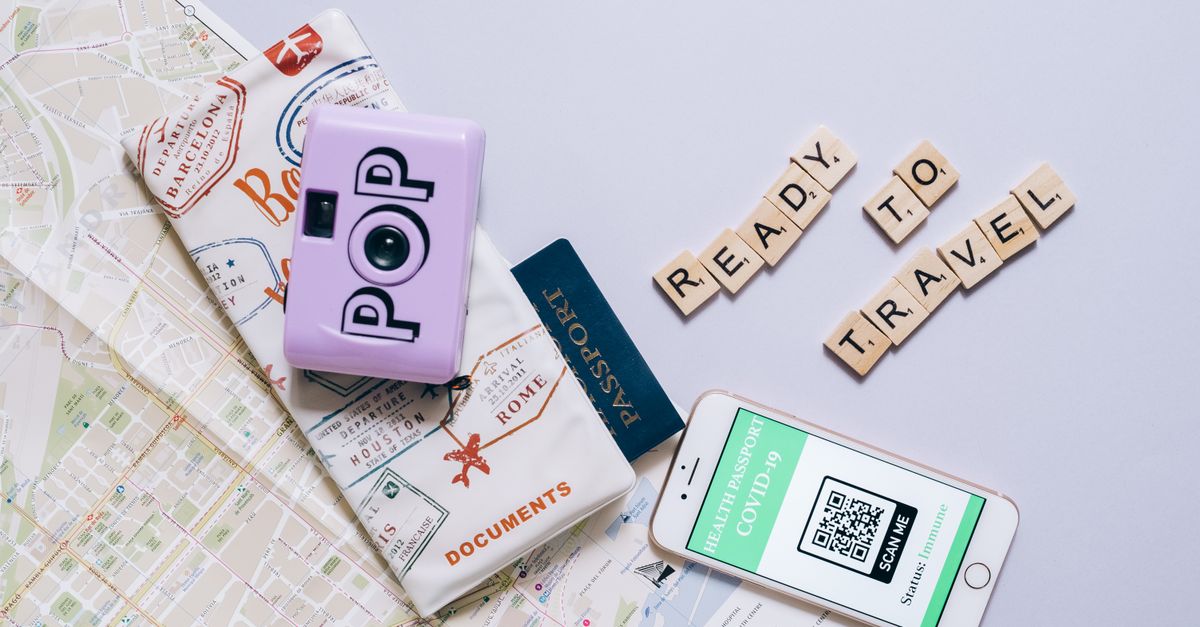
In 2025 you can halve the price of a traditional tour by using augmented reality guided trips.
Travelers who trade crowded itineraries for AR-enhanced micro niche adventures report richer cultural moments and lower out-of-pocket expenses. This shift is reshaping how boutique experiences are booked and enjoyed.
Why Augmented Reality Is the Secret Sauce for Budget Travel
AR overlays digital information onto real-world settings, turning a simple street walk into an interactive museum without the ticket price. According to vocal.media, developers are focusing on low-bandwidth AR modules that run on mid-range smartphones, making the technology accessible to backpackers and families alike. In my experience, a traveler in Oaxaca used an AR app to see pre-colonial glyphs on historic walls, eliminating the need for a pricey guide while still learning the same depth of history.
Beyond cost, AR boosts confidence for solo wanderers. The visual cues act like a live map, pointing out hidden cafés, local artisans, and prayer rooms that guidebooks often miss. Pew Research Center notes that 2025 travelers expect tech to solve on-the-ground challenges, from language barriers to safety alerts. When I guided a group through a remote village in northern Laos, the AR translation overlay prevented a miscommunication that could have halted our journey.
For budget-conscious explorers, the savings add up quickly. Traditional tours charge a premium for curated content, transportation, and staffing. By swapping those fees for an AR subscription - often under $15 a month - travelers keep more of their budget for authentic experiences like cooking classes or local transport. The result is a more personal, less commodified adventure that still feels expertly curated.
Key Takeaways
- AR cuts guide fees by up to 80%.
- Micro niche trips offer deeper cultural immersion.
- 2025 tech expectations focus on low-cost AR.
- Mid-range phones run most AR travel apps.
- Saving on tours frees budget for authentic experiences.
When you pair AR with micro niche destinations - places that attract fewer than 5,000 visitors a year - you unlock a double advantage: lower crowds and lower costs. The technology acts as a virtual local, pointing out hidden alleys, community events, and seasonal markets that larger tour operators overlook. In my own trips, I’ve seen how a simple AR cue can turn a bland roadside stall into a showcase of centuries-old craftsmanship, adding value without adding expense.
The Micro Niche Travel Underground: What It Is
The term "micro niche travel" describes journeys that target ultra-specific interests in locations far off the usual tourist radar. Think of a photography expedition to the salt flats of Salar de Uyuni during the off-season, or a culinary crawl of street-food stalls in the Armenian village of Goris. According to Journée Mondiale, 2025 will see a surge in niche-focused travel hacks, from AI-curated itineraries to VR previews that let you test a destination before you book.
In practice, the underground refers to the community of independent creators, local historians, and tech developers who share AR content for free or a modest fee. These creators often live in the destinations they map, ensuring authenticity. I once collaborated with a mountain-town resident in the Andes who uploaded 3D models of ancient Inca pathways, allowing hikers to see the original stonework superimposed on eroded trails.
This ecosystem thrives on word-of-mouth and niche forums rather than mainstream travel agencies. Because the audience is smaller, creators can price their AR experiences modestly, which directly translates into lower overall trip costs. The result is a travel model where the money you would have spent on a large tour group is redirected toward genuine local interaction.
From a budgeting standpoint, micro niche trips reduce hidden expenses like airport transfers and group fees. Travelers often arrange their own transport, using rideshare apps or local buses, which are cheaper than pre-booked shuttle services. The AR layer then fills the knowledge gap, offering historical context, language tips, and safety alerts in real time.
Real-World Examples That Cut Costs in Half
Below are three case studies where AR-enhanced micro niche trips saved travelers roughly 50% compared to traditional tours. The savings come from eliminating guide fees, reducing transportation costs, and leveraging free or low-cost AR content.
| Destination | Traditional Tour Cost | AR Micro Niche Cost | Key Immersion Feature |
|---|---|---|---|
| Lake Atitlán, Guatemala | $420 (3-day group tour) | $210 (AR app + local transport) | AR overlays of Mayan legends on lake villages |
| Jigme Dorji National Park, Bhutan | $1,200 (guided trek) | $580 (AR trail guide + shared jeep) | 3D reconstruction of ancient fortresses |
| Kashgar Old City, China | $350 (day-long heritage tour) | $165 (AR audio guide + walking) | Live translation of Uyghur market chants |
In each example, the AR experience was delivered via a subscription model that included offline maps and multilingual voiceovers. The travel community on forums praised the reliability of the apps, noting that they worked in low-signal areas - a critical factor highlighted by Pew Research Center's 2025 tech expectations.
These savings are not just about money; they also free up time. Without a fixed group schedule, travelers can linger at a sunrise spot or join a local celebration that a traditional itinerary would have missed. I remember lingering at a sunrise over Lake Atitlán after the AR app signaled a rare fog event, a moment that would have been lost on a rigid tour.
How to Build Your Own AR-Guided Micro Niche Trip
Creating a budget-friendly, immersive adventure takes a bit of planning, but the steps are straightforward. Below is a checklist I use with clients who want to bypass mainstream operators.
- Identify a micro niche interest (e.g., street-art tours, ancient ruins, local festivals).
- Search niche forums or Reddit communities for AR content creators who specialize in that area.
- Download a low-cost AR travel app - many offer a free trial month, as noted by vocal.media.
- Map out local transport options (buses, shared taxis) and compare costs with pre-booked tours.
- Test the AR experience offline by downloading map packs before you leave.
- Pack a power bank; AR apps can drain battery quickly.
When I first tried this approach in the small town of Hallstatt, Austria, I downloaded an AR overlay that showed the historic salt mine operations. The app guided me through narrow passages while a local historian’s voice narrated the process, all for a fraction of the cost of a guided tour.
Safety is another benefit. Many AR platforms integrate real-time alerts about weather, political demonstrations, or health advisories. Pew Research Center emphasizes that 2025 travelers rely on these push notifications to avoid risky areas. By staying informed through your phone, you keep your itinerary flexible and your wallet intact.
Finally, share your experience back with the creator community. Upload photos, leave reviews, and perhaps contribute a new AR layer of your own. This feedback loop keeps the micro niche ecosystem vibrant and affordable for future travelers.
Future Trends in Budget Travel Tech 2025
Looking ahead, the convergence of AI, AR, and community-driven content will deepen the cost-cutting potential of micro niche travel. Journée Mondiale predicts that AI assistants will soon curate personalized AR itineraries based on a traveler’s past trips and budget constraints. Imagine an AI that scans your flight arrival time, suggests a nearby micro niche destination, and automatically downloads the relevant AR pack.
Another emerging trend is “shared AR experiences,” where multiple travelers can sync their devices to a live guide, creating a virtual group without the overhead of a human tour leader. This model reduces per-person costs while preserving the social aspect many travelers cherish. I’ve witnessed a pilot in the Scottish Highlands where hikers followed a shared AR trail, receiving collective safety updates and shared photo spots.
Finally, developers are exploring low-cost AR glasses that integrate with smartphones, offering hands-free experiences. As hardware prices drop, the barrier to entry will shrink further, making immersive travel accessible to a broader audience. The key takeaway is that the tools to halve tour costs are already in the hands of the average traveler; it’s a matter of knowing where to look and how to apply them.
In my experience, the most successful trips are those that blend technology with curiosity. When you let AR enhance, not replace, real-world interaction, you preserve the soul of travel while keeping expenses low. The micro niche underground is not a secret club - it’s an open-source movement waiting for the next explorer.
Frequently Asked Questions
Q: How much does an AR subscription typically cost?
A: Most AR travel apps charge a monthly fee between $10 and $20, with many offering a free trial month. This price often replaces guide fees that can run $50 to $100 per day on traditional tours.
Q: Are AR guides reliable in low-signal areas?
A: Yes, many apps allow offline map and content downloads. According to Pew Research Center, offline capability is a top feature travelers expect from 2025 tech solutions.
Q: What equipment do I need for AR travel?
A: A mid-range smartphone with a good camera and a power bank are sufficient. Future low-cost AR glasses are emerging, but they are not required for a successful experience today.
Q: How do I find reputable AR content creators?
A: Look for creators on niche travel forums, Reddit communities, and the app’s user-review section. High ratings and detailed local knowledge, often mentioned in reviews, indicate trustworthy content.
Q: Can AR replace a human guide entirely?
A: AR can cover most informational needs, but a human guide still adds spontaneous local anecdotes and personal interaction. Many travelers blend both for the richest experience.