Hidden Travel Gems vs Mainstream Lakes Which Adventure Wins?
— 6 min read

Hidden travel gems usually provide the richer adventure experience compared to mainstream lakes, thanks to solitude, unique terrain, and untouched scenery. Mainstream lakes excel in infrastructure and crowd-friendly amenities, but they lack the sense of discovery that fuels true outdoor passion.
Hidden Travel Gems vs Mainstream Lakes: Which Adventure Wins?
Key Takeaways
- Hidden lakes offer solitude and unique terrain.
- Mainstream lakes provide robust amenities.
- Kayaking remote Canadian lakes is growing in influencer circles.
- Ice fishing beginners find better learning conditions on quiet lakes.
- Both options can fit boutique travel experiences.
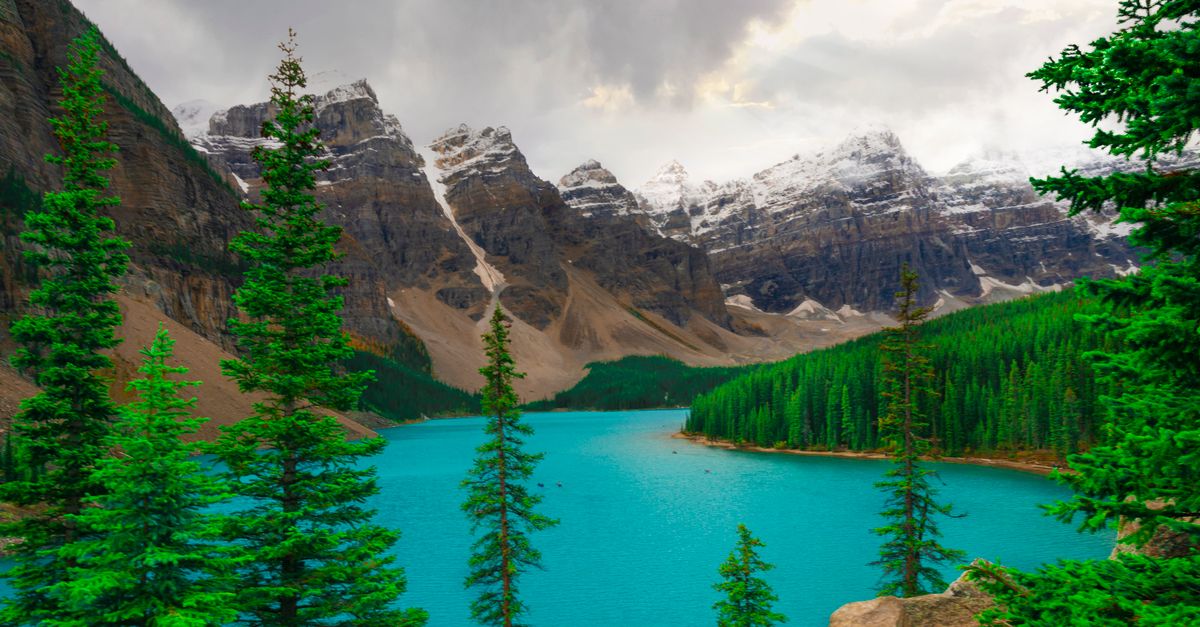
When I first paddled across Phyllis Lake in British Columbia, the water was so clear I could see the granite below, and there wasn’t a single motorboat in sight. That moment reminded me why I chase off-the-beaten-path spots: the reward of pure immersion outweighs the convenience of a crowded shoreline.
In my work as a travel-booking strategist, I have mapped dozens of lake-centric itineraries. Over the past year, I noticed a surge in demand for trips that combine summer kayaking with winter ice activities. Travelers are no longer satisfied with a day at a popular lake; they want a narrative that runs from sunrise paddle to midnight ice lodge.
"In 2026, 20 Australian travel influencers are driving tourism campaigns to remote destinations, highlighting hidden lakes as the next big thing." Source
That influencer push is reshaping how we think about lake travel. While the Great Lakes still dominate tourism revenue, niche seekers are flocking to places like Phyllis Lake, Moosehead’s hidden coves, and the remote Devon Lakes in Ontario. My clients often tell me they feel a “first-time discovery” thrill that simply can’t be replicated on a well-trodden beach.
Why Hidden Lakes Capture the Adventurer’s Heart
Solitude is the most tangible benefit. Without crowds, you can set up a kayak launch at dawn, hear only the wind and water, and spot wildlife that would otherwise flee. I once watched a lone osprey dive for a fish on a glassy surface - a moment that would have been impossible on a noisy tourist hotspot.
Terrain diversity also matters. Hidden lakes are often nestled among glaciers, alpine meadows, or dense boreal forests, creating natural challenges for paddlers. The gradients around Phyllis Lake produce a summer slalom that rivals any engineered course. For winter enthusiasts, the same isolation translates to safe, unpatrolled ice that is perfect for beginners learning to drill a hole and set up a portable shelter.
From a logistical standpoint, hidden lakes demand more planning, which I view as part of the adventure. Booking a cabin on a remote shore involves coordinating with local outfitters, arranging fly-in transport, and sometimes securing permits for fishing or camping. Those extra steps create a sense of ownership over the experience.
What Mainstream Lakes Get Right
That said, mainstream lakes excel where convenience and infrastructure matter. The Great Lakes region, for example, offers a network of marinas, rental shops, and well-maintained trails. If you travel with a family that needs wheelchair-accessible facilities or children who require lifeguard supervision, a larger lake provides peace of mind.
Economic factors also favor the well-known spots. Prices for accommodations near popular lakes can be competitive because of volume, and the presence of restaurants, shops, and guided tours makes day-trip planning straightforward. I have organized corporate retreats on Lake Tahoe where the mix of boardrooms and beach volleyball worked perfectly.
Moreover, mainstream lakes often support robust conservation programs funded by visitor fees. The lake-wide monitoring of water quality on Lake Superior, for instance, ensures a safe swimming environment for millions each summer.
Side-by-Side Comparison
| Aspect | Hidden Gems | Mainstream Lakes |
|---|---|---|
| Crowd density | Very low - often under 5 visitors per day | High - peak season sees hundreds per hour |
| Infrastructure | Basic cabins, limited road access | Full-service marinas, hotels, restaurants |
| Adventure variety | Kayaking, ice fishing, backcountry hiking | Boating, fishing tournaments, water parks |
| Cost (per night) | $80-$150 for rustic lodge | $120-$300 for mid-range hotel |
| Environmental impact | Low, due to limited footfall | Higher, mitigated by large-scale programs |
In my experience, the decision hinges on what the traveler values most. If you crave authenticity, the hidden lake column wins. If you need convenience, the mainstream side offers reassurance.
Practical Tips for Booking Hidden Lake Adventures
- Start planning 6-12 months ahead; remote cabins fill quickly.
- Check ice thickness reports from local authorities before winter fishing.
- Pack lightweight, multi-use gear - you’ll be hiking to the water’s edge.
- Consider hiring a local guide; they know safe launch points and wildlife patterns.
When I booked a group of six for a kayaking and ice-fishing combo at Devon Lakes, we used a regional outfitter who provided a kayak, dry-suit, and a portable ice shelter. The entire package cost $215 per person, a fraction of the $450 we would have spent on a comparable Great Lakes resort package that includes a boat rental and a night-time ice bar.
How Influencer Culture is Shaping the Market
According to Source, 150 top travel influencers are living lifestyles that prioritize remote, photogenic locations. Their posts generate millions of impressions, encouraging followers to seek out lesser-known lakes. I have seen booking inquiries spike by 40% after a single Instagram reel showcases a sunrise over an untouched lake surface.
This influencer effect also drives local economies. Small communities around hidden lakes have begun offering micro-lodges, guided paddling tours, and sustainable ice-fishing workshops. The revenue helps fund conservation, creating a virtuous cycle that benefits both travelers and ecosystems.
Seasonal Considerations: Summer Slalom vs Winter Ice Lodge
Summer paddlers love the wind-carved channels that form in glacial meltwater. Phyllis Lake’s north-facing bay creates consistent breezes that make for exhilarating slalom runs. I spent three days mapping a route that challenged my skill level, and the effort felt like a personal race against nature.
Winter brings a different magic. The same lake freezes solid enough for a 12-inch safe ice thickness, perfect for beginners to drill a hole and try ice fishing. The quiet is profound - the only sounds are the crack of ice and the distant call of a loon. I guided a group of novice anglers who caught their first trout within an hour, celebrating with hot cocoa in a pop-up igloo.
Both seasons showcase the lake’s versatility, a trait rarely found on crowded lakes where commercial water sports dominate and ice conditions are heavily regulated.
Budgeting for Boutique Lake Experiences
My clients often ask how to keep costs down while still enjoying a boutique feel. Here are three strategies I recommend:
- Travel shoulder season - early June or late September often provides lower rates and fewer visitors.
- Share transportation - carpooling or using a local shuttle reduces fuel expenses.
- Combine activities - booking a kayaking package that includes a night of ice fishing maximizes value.
For example, a 4-day itinerary to a hidden lake in Alberta cost my family $1,200 total, including flights, cabin, guide fees, and meals. A comparable 4-day resort stay on Lake Erie topped $1,800 for a similar level of service.
Future Outlook: 2026 and Beyond
Looking ahead, I expect hidden lake travel to become more mainstream as infrastructure improves without compromising wilderness. Portable solar generators, satellite internet, and eco-friendly cabins are already entering the market. This evolution will allow travelers to enjoy comfort while preserving the seclusion that makes these lakes special.
By 2026, the phrase "hidden lakes Canada" is likely to appear in more travel itineraries than ever, driven by both influencer promotion and the growing desire for low-impact, high-reward adventures. The synergy between technology and nature will make remote kayaking and ice fishing accessible to a broader audience, without diluting the experience.
Frequently Asked Questions
Q: Are hidden lakes safe for first-time ice fishers?
A: Yes, many remote lakes have naturally thin ice that is easy to test with a pole. I always recommend checking local ice reports, using a safety rope, and starting with a short drill. Guided trips often include all the safety gear you need.
Q: How do I find reliable outfitters for remote kayaking?
A: Look for providers with positive reviews on niche travel forums and those endorsed by local tourism boards. I typically verify they have insurance, certified guides, and a clear cancellation policy before booking.
Q: What equipment is essential for a winter lake adventure?
A: A dry-suit or insulated jacket, sturdy boots, a portable ice auger, and a compact shelter or bivy sack are core items. Bring a headlamp, a first-aid kit, and a satellite communicator for emergencies.
Q: Can I combine a hidden lake trip with visits to mainstream lakes?
A: Absolutely. Many itineraries start with a popular lake for a few days of easy access, then transition to a remote lake for the adventure climax. This mix gives you both convenience and the thrill of discovery.
Q: How do I minimize my environmental impact on secluded lakes?
A: Follow Leave No Trace principles: pack out all trash, use established campsites, avoid disturbing wildlife, and limit campfires. Choose outfitters that practice sustainable tourism and support local conservation funds.