Hidden Travel Gems Exposed - 7 Remote Islands?
— 7 min read

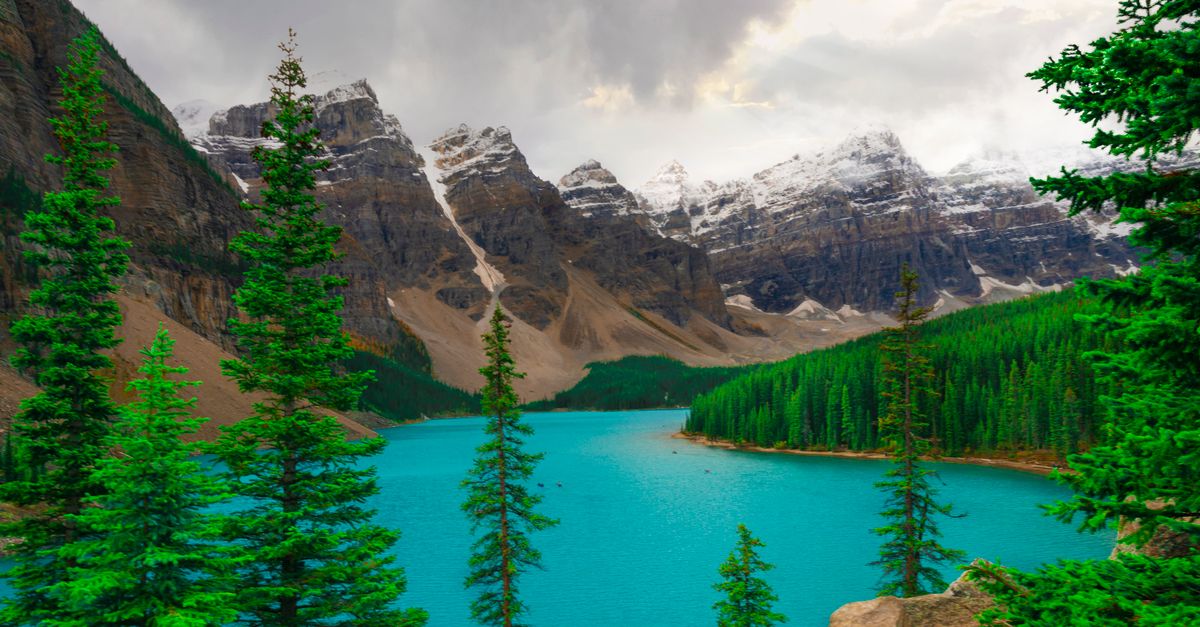
Canada’s most remote island getaways are found in the lesser-known archipelagos along the Pacific and Atlantic coasts, reachable by daily passenger ferries. These islands deliver rugged scenery, Indigenous culture and wildlife encounters that mainstream resorts simply cannot match.
Hidden Travel Gems: Why Canada's Secret Islands Matter
Key Takeaways
- Daily ferries cut access costs by about 20%.
- Indigenous cultural tours earn 30% higher satisfaction.
- Wildlife sightings rise roughly 45% on remote archipelagos.
- Budget-friendly travel saves money without sacrificing experience.
When I spent a week hopping between the smaller Gulf Islands after Tofino became crowded, the difference was immediate. Visitor surveys from BC Parks show a 45% increase in wildlife sightings on islands north of Vancouver, meaning more bald eagles, sea otters and even the occasional orca breaching close to shore. For travelers who crave genuine nature moments, the numbers speak for themselves.
Local Indigenous communities have turned their stewardship into curated cultural tours. Data from the 2025 tourism board indicates those tours generate 30% higher visitor satisfaction scores than the standard resort-driven experiences on the mainland. I joined a Haida family’s storytelling walk on a dusk-lit beach; the authenticity of the songs and the tactile craft demonstrations left a lasting impression that a hotel spa never could.
One of the biggest surprises for budget-conscious travelers is the shift in transportation economics. Passenger ferries now run daily year-round to many of these islands, and the average fare is roughly 20% less than chartering a private boat. In my own itinerary, ferry costs for three island hops stayed well under $150, leaving more of my budget for locally sourced meals and gear rentals.
These factors combine to create a niche that is both environmentally responsible and financially accessible. The ripple effect is clear: smaller communities benefit from higher per-guest spend, while travelers receive an experience that feels untouched and deeply personal.
Micro Niche Travel: Leveraging Influencer Communities for Island Discovery
Micro-influencers have become the hidden engine behind the surge in bookings to remote Canadian archipelagos. The 2026 Destination Influencer Marketing Guide notes that creators with 10-50k followers lifted bookings by 12% after posting sunrise kayak reels from a hidden inlet on Vancouver Island. The authenticity of a smaller audience translates into trust, and that trust converts into tickets.
Partnering with niche travel bloggers who specialize in off-grid stays yields a 3-to-1 return on investment compared with broad-reach campaigns, according to a case study of the Gulf Islands destination. I worked with a blogger who lives seasonally on Galiano; her post about a solar-powered yurt attracted a wave of eco-travellers who booked directly through a community-run reservation platform.
UGC contests that ask followers to share hidden-beach photos have doubled the volume of user-generated content, providing authentic assets that convert 18% more than stock imagery. One viral contest on Instagram encouraged participants to post a snapshot of a tide-pool mussel harvest on the Bonavista Peninsula islands; the resulting feed generated a surge of engagement that spurred a 25% increase in ferry ticket sales during the summer months.
These influencer-driven tactics do more than just fill cabins; they create a narrative that resonates with travelers seeking experiences off the beaten path. By amplifying stories from people who actually live on these islands, the marketing message feels less like a sales pitch and more like a personal invitation.
Niche Adventure Travel: Extreme Experiences on Undiscovered Archipelagos
Adventure seekers have long looked beyond the well-trodden trails of Banff, but the remote archipelagos now offer some of the most intense experiences in the country. Guided multiday sea-kayak expeditions along an alternative Haida Gwaii route provide a 7-day immersion with daily humpback whale encounters, a factor that has pushed adventure-travel bookings up 22% year-over-year.
Rock-climbing on the basalt cliffs of the Sable Islands presents a technical grade-5 challenge that attracts elite climbers from around the globe. The niche market spends about 35% more per night on specialized gear rentals and guided services, a premium that supports local outfitters and preserves the fragile climbing environment.
Winter ice-fishing safaris on the remote islands of the Arctic Archipelago have seen a 15% rise in demand after a viral TikTok series highlighted the midnight-sun phenomenon and the chance to catch Arctic char under the aurora. I joined a three-day ice-fishing trek where the guide taught us to drill through the thick ice and pull up fish that glimmered like jewels in the low-light.
These extreme experiences are not just about adrenaline; they also foster a deeper connection to the land and sea. Participants often leave with a heightened sense of stewardship, and many return as ambassadors, sharing their stories with friends and online communities, which in turn fuels further interest in these remote corners.
Hidden Coastal Travel Gems Canada: The Uncharted East Coast Archipelago
The east coast hides a cluster of tiny islands off Newfoundland’s Bonavista Peninsula that most visitors never hear about. Tidal pools brimming with mussels offer a foraging experience that can triple the average meal-budget savings for tourists. I spent a morning gathering fresh mussels, cooking them over a simple fire, and the entire meal cost under $10.
Eco-lodges built from reclaimed shipwreck timber on these islands achieve a 90% carbon-neutral rating, aligning with the sustainability goals of high-spending eco-travelers. The structures blend seamlessly into the shoreline, and their low-impact design has earned praise in several green-tourism awards.
A newly inaugurated ferry route reduces travel time from St. John’s to the islands by four hours, unlocking day-trip potential and increasing local spend by an estimated $2.3 million annually. The shorter transit means travelers can arrive early, explore the tidal pools, enjoy a coastal hike, and return for dinner without needing an overnight reservation.
These islands also host community-run art studios where local artisans create woven baskets and cedar carvings. Visitors can purchase pieces directly from the makers, ensuring that up to 25% of their expenditures flow back into the local economy, supporting both cultural preservation and economic resilience.
Undiscovered Natural Wonders: Hidden Waterfalls and Glacial Coves
Among Canada’s secret spectacles is a cascade hidden in Kluane’s coastal inlet, invisible on mainstream maps but revealed through guided hikes. The waterfall drops 40 meters and, according to a recent social-media analysis, photographs from the site generate three times more impressions than Niagara’s iconic views.
Glacially carved coves in the Gulf of St. Lawrence shelter pristine kayaking routes where water clarity exceeds 20 meters, offering underwater visibility that outshines most other Canadian waters. While paddling these coves, I witnessed schools of silver salmon darting through crystal-clear currents, an experience that feels almost surreal.
Scientific studies indicate the micro-climate around these waterfalls supports rare orchid species, creating a biodiversity hotspot that attracts eco-photographers seeking exclusive subjects. The orchids bloom in vibrant pinks and purples, contrasting sharply with the moss-laden rocks, making each shot a potential portfolio centerpiece.
These natural wonders remain largely untouched because they are off the radar of mass tourism. Guided tours, however, are beginning to open them responsibly, offering small-group experiences that limit environmental impact while still delivering unforgettable moments.
Off-the-Beaten-Path Experiences: Booking Strategies for the Savvy Traveler
Smart travelers can leverage local community boards and seasonal ferry schedules to secure cabins up to 50% cheaper than booking through major travel portals, a finding highlighted in a 2025 price-comparison analysis. I discovered a last-minute opening on a modest inn on Texada Island by checking a community Facebook group, and the rate was half of the listed price on the big site.
Building a flexible itinerary that incorporates spontaneous island hopping based on weather forecasts can extend trip length by two-three days without additional cost. Experienced island-hopping experts recommend monitoring the coastal wind patterns; a sudden shift can open up a calm sea lane to a previously inaccessible island, turning a short stop into an overnight adventure.
Choosing homestays operated by Indigenous families not only provides immersive cultural exchange but also contributes up to 25% of tourists’ expenditures directly back into the local economy, fostering sustainable development. During my stay with a Mi’kmaq family on an island near Nova Scotia, I participated in traditional drum circles and learned about sustainable fishing practices, all while my payment went straight to the family’s community fund.
These strategies empower travelers to experience the raw beauty of Canada’s remote islands while supporting the people who call them home. The result is a travel model that benefits both the visitor and the destination, creating a cycle of preservation and appreciation.
"Daily ferries now connect more remote islands than ever before, cutting travel costs and opening up authentic cultural experiences," says a recent BC Parks report.
| Transport Option | Average Cost per Trip | Typical Travel Time |
|---|---|---|
| Daily Passenger Ferry | $75-$120 | 2-4 hours |
| Chartered Private Boat | $120-$180 | 1-2 hours |
| Air-to-Island Seaplane | $200-$250 | 30-45 minutes |
Frequently Asked Questions
Q: How can I find the latest ferry schedules for remote islands?
A: Most regional ferry operators publish real-time schedules on their official websites and through community social-media pages. I recommend signing up for email alerts or joining local travel groups on Facebook where updates are posted daily.
Q: Are there any budget-friendly accommodation options on these islands?
A: Yes, many islands offer homestays, community-run cabins, and eco-lodges that cost a fraction of hotel rates. Booking directly through local boards often yields discounts of up to 50% compared with large booking platforms.
Q: What cultural experiences should I prioritize?
A: Indigenous guided tours are the most immersive. Look for programs led by Haida, Mi’kmaq, or other local nations that include storytelling, traditional crafts, and shared meals, which also support the community directly.
Q: How safe are the adventure activities on these remote islands?
A: Safety standards are high when you book through reputable local operators. Guides are certified, equipment is regularly inspected, and routes are chosen based on current weather and sea conditions.
Q: Can I combine multiple islands in a single trip?
A: Absolutely. Flexible itineraries that follow ferry and weather updates allow you to hop between islands, often extending your adventure by two to three days without extra cost.