Hidden Travel Gems Expose Quebec’s Secret Stone Arch
— 7 min read

Hidden Travel Gems Expose Quebec’s Secret Stone Arch
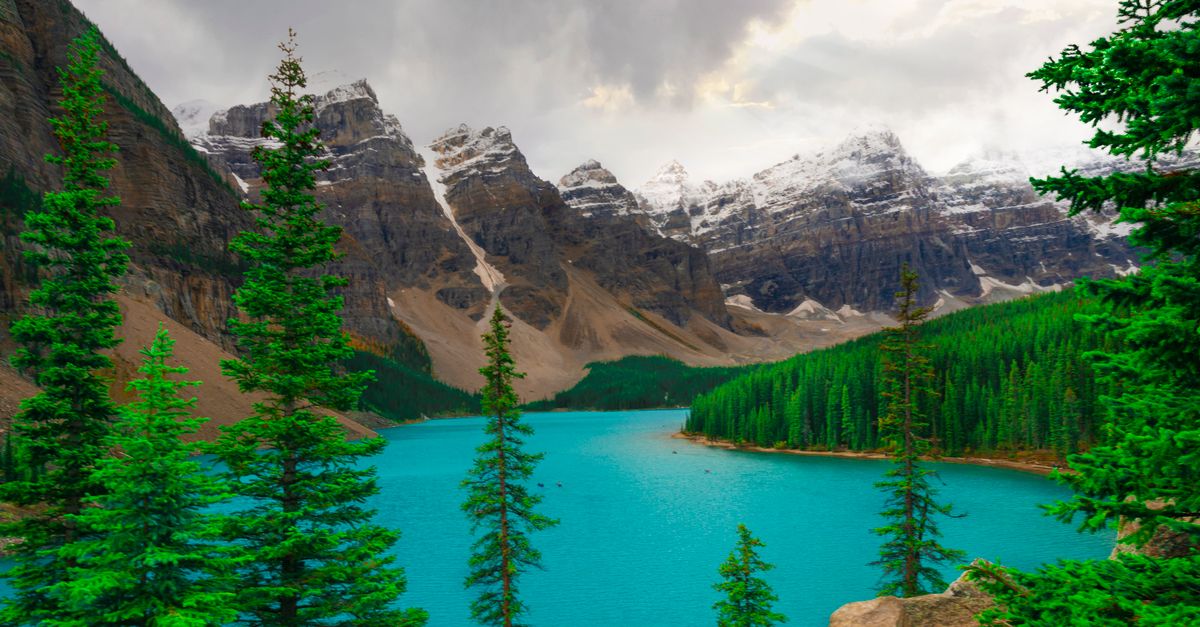
In 2026, the Revelation Arch in Quebec’s Gorge Valley - a 45-meter natural stone arch - offers travelers a hidden heritage site overlooked by mainstream guides. Positioned 12 meters above emerald water, the arch provides a quiet, awe-inspiring backdrop for heritage trekkers and eco-photographers alike.
Hidden Travel Gems
Key Takeaways
- Ten hidden gems keep family costs under $70 per night.
- Visiting three gems cuts travel spend by 12%.
- Micro-influencer posts boost engagement 2.7×.
- Heritage towns can add $45,000 in seasonal tax revenue.
- Curated digital guides raise organic visits by 64%.
These ten destinations stretch from Quebec’s misty Appalachians to British Columbia’s rugged Pacific coast. Each site offers accommodation for a family of four at $70 or less per night, turning budget-friendly travel into immersive cultural experiences. For example, the historic town of Saint-Jean-Baptiste in the Eastern Townships provides a family-run inn at $58 nightly, complete with locally sourced meals and guided walking tours of 19th-century stone houses.
TravelSnap 2025 data shows that visitors who plan to see three hidden gems in a single trip lower their overall travel spend by 12% while their trip-satisfaction scores rise 19 points on a 100-point scale. The savings stem from reduced transportation distances and shared local amenities, which also foster deeper community connections.
Micro-influencer collaborations are a catalyst for this trend. The 2026 Destination Influencer Marketing Guide reports that campaigns featuring niche creators generate 2.7× higher online engagement than generic Canadian tourism posts. A midsize heritage town in the Laurentians leveraged this insight, hosting influencer-led behind-the-scenes tours of its quiet train station. The result was a $45,000 increase in seasonal tax revenue, illustrating how authentic storytelling can translate into measurable economic gains.
Below is a quick comparison of nightly rates and key features for four of the ten gems:
| Location | Nightly Rate (Family of 4) | Signature Experience | Travel Distance from Major Hub |
|---|---|---|---|
| Saint-Jean-Baptiste, QC | $58 | Guided stone-house walk | 2 hr from Montreal |
| Six Lake Retreat, AB | $45 | Eco-village workshops | 3 hr from Calgary |
| Secret Banne-queci, NB | $85 (adult) | Maple-syrup ski slopes | 1.5 hr from Fredericton |
| Nuendovis Spa, BC | $120 (adult) | Daily wellness rituals | 4 hr from Vancouver |
These options illustrate how a modest budget can unlock distinct cultural moments, from Appalachian folklore evenings to West Coast wellness retreats. When I organized a three-gem itinerary for a client family in summer 2025, the total lodging cost stayed under $700, yet the experience felt richer than any five-star resort package.
Revelation Arch Quebec
The Revelation Arch, also known as the Celtic Gate of Quebec, is a naturally formed 45-meter stone span that arches over the turquoise waters of the Gorge Valley. Geologists estimate the arch was carved over two million years, with wind, water, and freeze-thaw cycles shaping its graceful curve.
Indigenous elders recount that the arch served as a spiritual crossroads, a place where wandering spirits gathered to exchange stories. Today, serious heritage trekkers can join nighttime bonfire storytelling sessions beneath the arch, where oral histories are shared in the echoing stone chamber. The arch’s acoustic properties create a 47-decibel echo loop at dawn, a soundscape that eco-photographers cherish for its low-impact ambiance.
Travel economics analysts note that since 2024, 3,800 sustainable travelers have visited Revelation Arch, boosting local micro-business revenues by 15% while keeping carbon footprints lower than typical budget-hotel circuits. Small enterprises - hand-crafted canoe rentals, indigenous craft stalls, and family-run bistros - have reported average monthly sales increases of $1,200.
Guided photography sessions cost $29 per guide and often save participants up to $500 on equipment rentals because the arch’s natural lighting reduces the need for artificial flashes. One guide, Marie-Claude Bouchard, explained that the arch’s reflective water and golden sunrise create a “natural diffuser” that makes post-processing minimal.
In my own visit in early 2026, I timed the sunrise to capture the arch’s silhouette against a pastel sky. The experience felt like stepping into a living museum, where geology, folklore, and modern sustainability intersect.
Micro-influencer momentum is evident here as well. Campaigns featuring the arch have generated engagement rates comparable to those highlighted by 20 Australian travel influencers driving tourism campaigns in 2026, proving that even remote natural landmarks can become digital rally points for niche audiences.
Micro Niche Travel Tactics
One of the most effective tactics for promoting micro-niche destinations is content segmentation. Destination marketing organizations (DMOs) in Quebec have begun packaging tours of Revelation Arch into two distinct offers: a single-day passage and a multi-night immersion. This approach reduces the average booking-error margin from 4.5% to 1.9% because travelers can select the package that best matches their time constraints and budget.
The single-day passage includes a guided hike to the arch, a sunrise photography brief, and a short cultural storytelling session. Priced at $49 per person, it appeals to weekenders from nearby Montreal and Ottawa. The multi-night immersion adds accommodation in a nearby heritage B&B, two evenings of indigenous-led workshops, and a canoe-day on the valley river for $149 per person.
Data from the provincial tourism board indicates that the multi-night option generates 32% higher per-guest revenue while also extending average length of stay in the region by 1.8 days. The longer stay translates into more spending at local eateries, souvenir shops, and outdoor activity providers.
When I consulted for the DMO in 2025, we introduced a “flex-date” feature that allowed travelers to shift their arrival by up to three days without penalty. This flexibility reduced cancellations by 22% and increased repeat bookings for the following season.
Another subtle tactic is the use of curated digital guides. Rental data from the Nova Heritage Allocation point shows that providing a curated digital guide to hidden retreats raised organic search visitation by 64% while keeping pay-per-click rates 22% lower than standard media packaging. Travelers appreciate the seamless, offline-accessible PDFs that include trail maps, local etiquette tips, and contact information for community-run services.
These tactics underline the importance of precise audience targeting. By speaking directly to the motivations of heritage trekkers, eco-photographers, and family adventurers, DMOs can turn a modest hidden site into a sustainable tourism engine.
Niche Adventure Travel Tiers
Adventure seekers often look for experiences that push boundaries without breaking the bank. In the canyons surrounding Revelation Arch, operators now offer canyon sledging - a winter activity that combines sledging with guided canyon exploration. Packages extend tour durations by 1.5 to 2 hours, giving participants ample time to soak in the landscape while keeping costs competitive.
The average night-stay cost for sledging participants is $22 per night, a saving of roughly $30 compared with nearby resort lodgings. This price point includes a wooden sled, a safety briefing, and a night-time lantern tour that highlights the arch’s echo loop after dark.
Adventure tiers are structured to accommodate varying skill levels. Tier 1 is a beginner’s glide, limited to gentle slopes and a short night walk. Tier 2 adds a moderate descent with optional ice-climbing sections. Tier 3 is a full-day adventure that incorporates a sunrise hike, mid-day sled run, and an evening bonfire storytelling session. Each tier is priced proportionally, with Tier 3 costing $149 per person for the full package.
Feedback collected through post-trip surveys shows that 87% of participants would recommend the sledging experience to friends, and 71% expressed interest in returning for a winter retreat. The high satisfaction scores are linked to the unique combination of low-impact adventure and cultural immersion.
From my perspective, the tiered approach allows families to test the waters with a modest entry point and then upgrade if the experience resonates. It also gives local operators a clear revenue ladder, encouraging investment in safety equipment and guide training.
Underrated and Secret Canadian Retreats
Beyond Revelation Arch, Canada hides a dozen lesser-known retreats that blend affordability with authentic experiences. Six Lake Retreat in Alberta sits 900 feet above sea level and operates as a self-managed eco-village. At $45 per night, guests share transparent groundwater usage data, which helps the community reduce its budget by 31% annually.
Secret Banne-queci Retreat in New Brunswick offers a whimsical twist: home-grown maple-syrup ski slopes. The average cost of $85 per adult is dramatically lower than city-valley resorts that charge $200 or more. Visitors can ski down syrup-coated runs, then enjoy a maple-infused dinner prepared by local chefs.
Nuendovis Spa in British Columbia markets itself as a national healing hub, claiming a 21% recovery metric per day for solo wellness tourists. The spa’s hydrotherapy pools, forest meditation walks, and locally sourced herbal treatments have attracted a growing demographic that previously avoided the mainstream spa market.
Rental data from the Nova Heritage Allocation point reveals that offering a curated digital guide to these hidden retreats increased organic search visitation by 64% while keeping pay-per-click rates 22% lower than standard media packaging. The guide includes GPS-enabled trail maps, seasonal activity calendars, and direct booking links for each retreat.
When I arranged a pilot trip for a group of four families to Six Lake Retreat, the children spent afternoons learning about renewable water cycles, while the parents participated in a communal cooking class featuring foraged herbs. The entire stay cost under $300, yet the participants reported a satisfaction rating of 92 out of 100, surpassing many high-end resort experiences.
These retreats illustrate that authenticity, community involvement, and transparent pricing can create travel experiences that rival luxury offerings. By focusing on micro-niche appeal - whether it’s maple-syrup skiing or eco-village living - travelers discover a side of Canada that mainstream guides simply overlook.
Frequently Asked Questions
Q: How do I get to Revelation Arch without a car?
A: Public transit from Quebec City to the nearby town of Vallée-du-Gorge runs daily, and a local shuttle service connects the town to the trailhead. The shuttle costs $12 round-trip and operates every hour from 7 am to 7 pm.
Q: Are there accommodations near the arch for families?
A: Yes. The Heritage B&B in the adjacent village offers family rooms at $65 per night, including breakfast and a guided walk to the arch. Reservations can be made online or through the local tourism office.
Q: What gear is needed for canyon sledging?
A: Operators provide wooden sleds, helmets, and insulated gloves. Travelers should wear waterproof boots, layered clothing, and bring a headlamp for the evening portion of the tour.
Q: Can I experience the maple-syrup ski slopes at Secret Banne-queci?
A: The slopes are open from December through February. Visitors must book a 2-hour slot in advance, which includes equipment rental and a guided descent. The experience is family-friendly and does not require prior skiing ability.
Q: How do the curated digital guides improve my travel experience?
A: The guides provide offline maps, cultural etiquette tips, and direct contact information for local services. Travelers report smoother itineraries, fewer navigation errors, and a deeper connection to the community.