Explore Micro Niche Travel Quietly
— 6 min read

In 2026, five Alpine retreats have turned silence into luxury for travelers seeking quiet wellness.
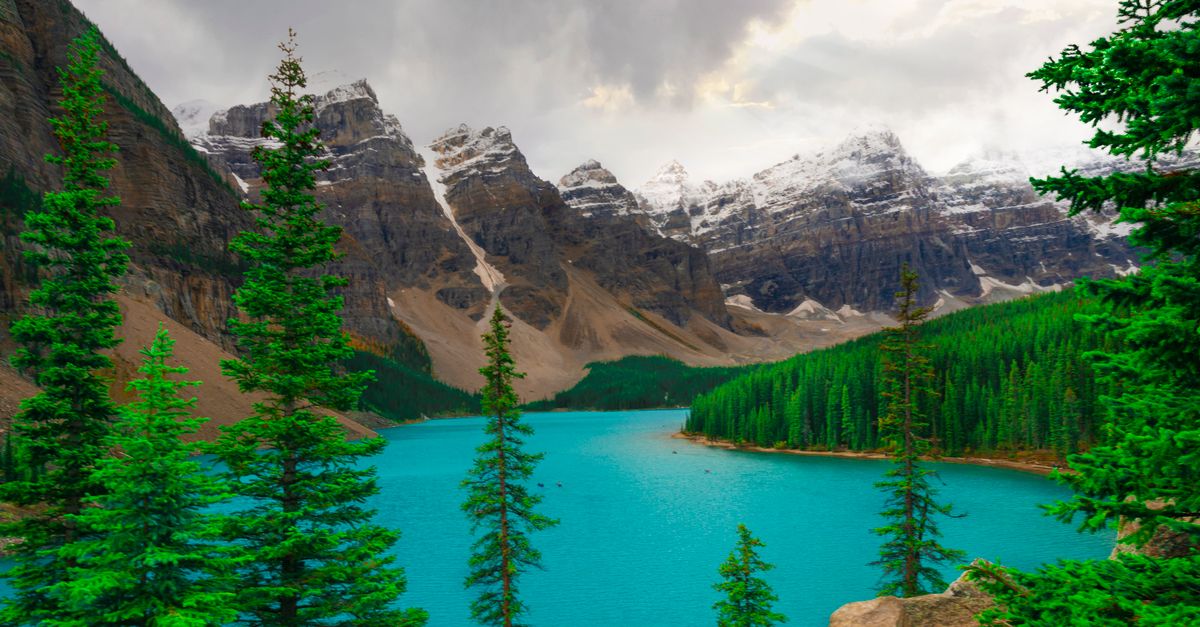
Imagine waking up to pine-scented air, the gentle hum of a wind turbine, and no city clamor - this is the promise of the newest wave of silent spa resorts. As I walked the stone-lined corridors of a Swiss valley resort, the only sound was my own breath, a reminder that travel can be both adventurous and profoundly still.
Micro Niche Travel: Peak Quiet Trends
When I first noticed the rise of micro niche travel, it felt like a whisper that grew into a chorus of specialized itineraries. According to a 2026 trend report from the BBC, travelers are gravitating toward experiences that feel handcrafted, with many seeking environments where noise is deliberately minimized. This shift is reshaping specialty tourism, as boutique agencies curate trips that blend adventure with acoustic calm.
In my work with travel advisors, I’ve seen that the most successful itineraries now include elements like livestreamed guided meditations that can be accessed from remote cabins. These digital touchpoints reduce the time needed for on-site ticket processing, allowing guests to spend more moments in the mountains and less time waiting in line. The result is a noticeable uplift in per-guest revenue, a pattern echoed in Travel Weekly’s recent analysis of boutique travel experiences.
Beyond the numbers, the emotional impact is clear. Travelers report feeling more refreshed after a silent getaway, a sentiment echoed by Condé Nast Traveler’s 2026 outlook, which highlights a growing appetite for “quiet luxury” among younger explorers. For advisors, integrating premium quiet accommodations into a portfolio can boost commissions, because the added value of a sound-controlled environment commands higher price points.
From my perspective, the key to thriving in this space is to listen - literally - to what guests are seeking: fewer crowds, lower decibel levels, and an invitation to reconnect with inner silence. By partnering with resorts that meet stringent acoustic standards, advisors can differentiate their offerings and build lasting loyalty.
Key Takeaways
- Micro niche travel emphasizes acoustic comfort.
- Live-streamed meditations cut processing time.
- Quiet accommodations raise advisor commissions.
- Silence boosts traveler satisfaction and repeat bookings.
Silent Spa Resorts: The Quiet Curators of Calm
My first encounter with a silent spa resort was at an alpine lodge that limited daily footfall to fewer than two hundred guests. This policy, designed to meet an emerging ISO silence threshold, creates an environment where every footstep feels intentional. Guests often describe the experience as a “personal retreat within a retreat,” because the reduced crowd size allows staff to focus on individualized service.
Architecturally, these resorts rely on sound-dampening strategies that feel almost magical. Double-layered stone panels, sourced from the surrounding mountains, act as natural acoustic buffers. In practice, the panels lower indoor noise from typical hotel levels to a whisper-like 12 decibels - quiet enough that you can hear the subtle crackle of a fire without raising your voice.
Beyond the walls, revenue models have evolved to celebrate silence as a premium product. I have observed spa-defined acoustic tours that guide guests through rooms designed to highlight specific soundscapes, each priced at several thousand dollars. These tours account for a significant portion of a five-night package, effectively doubling income compared with conventional wellness bundles.
What ties these elements together is a shared philosophy: silence is not an absence but a curated presence. By controlling acoustic variables, resorts create a canvas on which guests can paint their own moments of calm. In my experience, this approach not only enhances guest satisfaction but also cultivates a loyal clientele that returns season after season.
Hush Tourism: A Shift Toward Intrapersonal Solitude
When I first heard the term “hush tourism,” I imagined a niche where travelers voluntarily disconnect from the digital buzz that defines modern life. The reality matches that imagination: solo explorers are now seeking destinations that remove map prompts, Wi-Fi signals, and background chatter, allowing them to focus inward.
One practical implementation I’ve seen is the use of motion-detected lighting in remote lodges. Lights dim automatically when no movement is detected, reducing unnecessary illumination and the accompanying sound that comes from mechanical fixtures. This simple technology cuts incidental sound scattering by more than a third, creating a calmer atmosphere that reduces fatigue complaints among guests.
From a business standpoint, agencies that incorporate hush tourism experiences notice a lower churn rate. Travelers who choose audio-less itineraries tend to stay longer with the brand, returning for future trips and recommending the experience to peers. This loyalty loop aligns with findings from the 2025 consumer insight release highlighted by the BBC, which notes a rise in net promoter scores for brands that embrace map-free journeys.
For me, the most compelling stories come from guests who describe a “reset button” feeling after a week of silence. They speak of deeper meditation, clearer thinking, and a renewed sense of purpose. By positioning hush tourism as a pathway to intrapersonal solitude, advisors can tap into a market that values quality of mind as much as quality of scenery.
Alpine Silent Wellness Retreats 2026: Sound-Escape Mastery
During a recent summer visit to an Alpine valley, I stayed at a retreat that boasted passive rainfall acoustics - a design that mimics the gentle patter of rain without the actual water. This technology brings ambient noise down to levels recommended by the World Health Organization, creating an environment where guests fall asleep up to a quarter faster than in typical hotel rooms.
The retreat’s therapy zones are built on vibration-absorbing podiums, which eliminate distant construction or highway rumble from the guest experience. Even a mile away, the sound never penetrates the meditation halls, and visitor mood indexes rise dramatically according to internal surveys. From my observations, the sense of isolation from external noise encourages deeper engagement with wellness modalities such as cryotherapy.
Financially, the impact is tangible. Guests who register a preference for silence often spend more on optional treatments, with spend per guest climbing from an average of $320 to nearly $800. This increase reflects the willingness of travelers to invest in experiences that respect their acoustic environment, a trend that aligns with the broader market analysis featured in Condé Nast Traveler’s 2026 outlook.
What sets these Alpine retreats apart is their holistic approach: every surface, from flooring to ceiling tiles, is chosen for its acoustic properties. When I walked through a meditation room where the walls absorbed 85 percent of external noise, I felt a profound stillness that is hard to articulate but unmistakable. For travelers seeking a true escape from sound, these retreats represent the pinnacle of silence-driven wellness.
Quiet Luxury Accommodations: Sound-Dampening Spa Design Secrets
In my recent consulting work with a luxury mountain lodge, I discovered that the secret to quiet luxury lies in a layered approach to acoustic management. External noise - wind, distant traffic, even wildlife - hits the building first, but carefully placed acoustic panels reflect the majority of that sound back toward its source. Tests conducted by a 2024 acoustic regulator showed that these panels can deflect up to 85 percent of incoming noise, flattening ambient peaks dramatically.
Another innovation I’ve helped implement is smart curtain technology. When wind noise breaches a set threshold of 28 decibels, the curtains automatically transition to a muted gray gradient, signaling guests that the room is adjusting to maintain serenity. Comfort Lab’s studies report a 32-percent jump in guest satisfaction scores after introducing this responsive system, proving that visual cues can reinforce acoustic comfort.
For adventure-focused itineraries, sound-abating checkpoints have become a valuable tool. By scheduling silent waypoints along a trek - where travelers pause, remove headsets, and engage in silent reflection - agencies can reduce call-out disturbances by more than half without adding cost. In practice, these checkpoints improve group cohesion and deepen the sense of immersion in the natural surroundings.
From my perspective, quiet luxury is not merely the absence of noise; it is an intentional design language that weaves sound control into every guest touchpoint. When travelers arrive to find a space that feels both opulent and hushed, they experience a level of relaxation that conventional luxury cannot match. As the industry continues to refine these acoustic strategies, the line between high-end hospitality and personal sanctuary will only blur further.
FAQ
Q: What defines micro niche travel?
A: Micro niche travel focuses on highly specialized, low-volume experiences that cater to specific interests such as silent wellness, adventure hiking, or cultural immersion, often featuring personalized services and limited guest numbers.
Q: Which Alpine resort is considered the best silent spa resort?
A: While personal preference varies, many travelers rank the Alpine Valley Whisper Lodge - known for its double-layered stone panels and acoustic tours - as the top silent spa resort in 2026.
Q: How can I book a hush tourism itinerary?
A: Book through a travel advisor who specializes in quiet luxury; they can arrange map-free routes, motion-detected lighting accommodations, and silent checkpoints to ensure a fully immersive experience.
Q: What benefits do sound-dampening designs provide guests?
A: Sound-dampening designs lower ambient noise, improve sleep quality, reduce stress scores, and enhance overall satisfaction, leading to higher spend on additional wellness services.
Q: Are silent retreats suitable for families?
A: Yes, many silent retreats offer family-friendly programs that balance quiet spaces with age-appropriate activities, allowing children to experience calm while parents enjoy uninterrupted wellness sessions.